Conservation
Florida Anglers as Conservation Partners
Pick Up Project · October 27, 2026
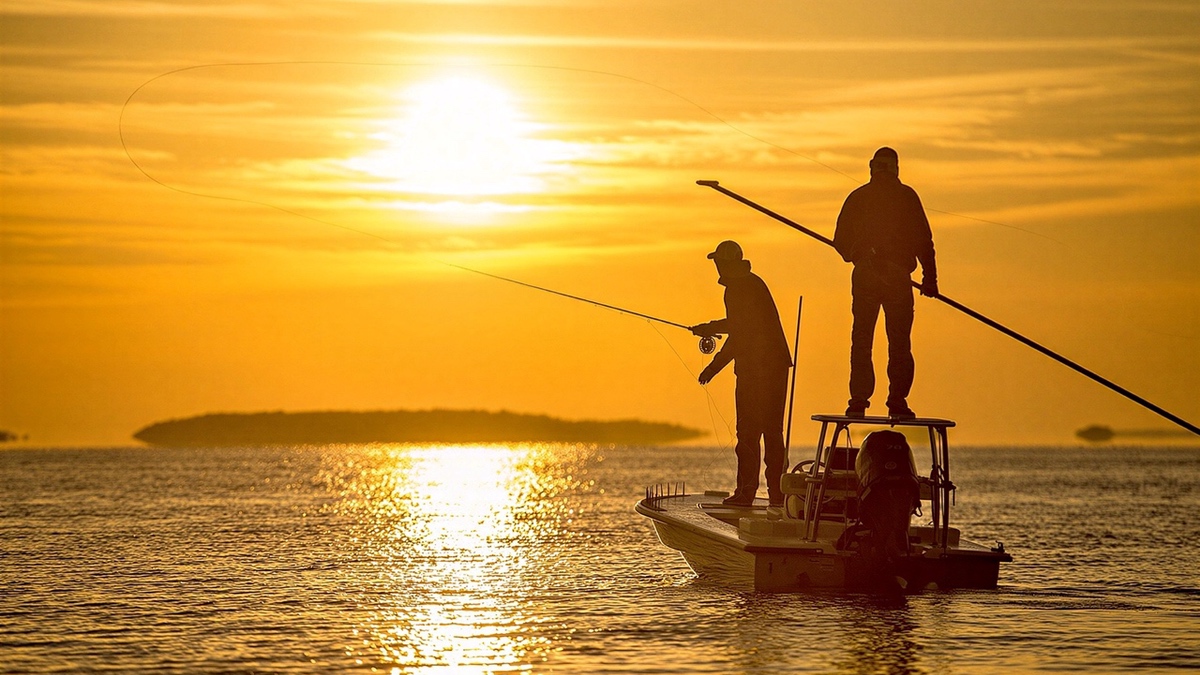
Florida's waterways are more than natural attractions. They support recreational fishing, tourism, commercial industries, and communities whose livelihoods depend on healthy marine ecosystems. Protecting these resources requires more than identifying environmental problems. It requires practical solutions and the participation of people who know these waters firsthand.
Two Florida Projects Put Conservation Into Action
A recent announcement from NOAA Fisheries provides an encouraging example of that approach. On October 5, 2026, the agency announced nearly $430,000 in funding for six habitat-restoration projects nationwide, including two in Florida totaling $146,000. Both Florida projects will involve recreational anglers in conservation activities designed to improve marine habitats.
In Northeast Florida, Matanzas Riverkeeper will receive $66,000 to engage recreational anglers in removing marine debris from the Guana, Tolomato, and Matanzas estuary. The project recognizes that discarded rubbish and other debris can threaten marine wildlife, damage habitats, and diminish the recreational value of coastal waterways.
Along Florida's Big Bend coast, the University of Florida will receive $80,000 to restore seagrass habitat while conducting education and outreach with recreational anglers. Seagrass meadows provide important habitat for fish and other marine organisms, making their protection valuable to both conservation and recreational fishing.
A Federal Commitment to Recreational Fishing and Conservation
The announcement follows Executive Order 14430, Restoring American Saltwater Angling and Recreation, signed by President Donald J. Trump on September 17, 2026. Less than three weeks later, NOAA Fisheries announced the six habitat-restoration projects through the National Fish Habitat Partnership, specifically identifying them as consistent with the executive order's goals.
Section 1(b) of the executive order establishes a clear federal policy:
"It is the policy of the United States to elevate the marine recreational fishing industry as an important consideration in all Federal ocean, coastal, and public land decision-making."
The order also directs federal agencies to strengthen fisheries science, improve cooperation with states and the private sector, and recognize the economic importance of recreational fishing. Its broader objectives include maintaining fishing opportunities while supporting responsible management of marine resources.
The National Fish Habitat Partnership welcomed NOAA's announcement, emphasizing the importance of voluntary conservation partnerships that bring recreational anglers, government agencies, and local organizations together. The projects demonstrate how habitat restoration, public participation, and fishing opportunities can be pursued as complementary objectives.
While the funding announcement followed the executive order, the stated connection is one of policy alignment rather than evidence that the order itself originated the grants.
The People Who Know Our Waters Best
Although the Florida projects address different environmental concerns, they share an important principle: people who use natural resources can also become some of their most effective stewards.
Recreational anglers spend considerable time observing Florida's waterways. They recognize changes in fishing conditions, encounter marine debris, and understand the importance of productive habitats. Their firsthand experience can complement scientific research and provide valuable insight into local environmental conditions.
This is particularly relevant when considering the relationship between conservation and public access. Environmental protection and recreational activities are sometimes presented as competing interests, yet healthy ecosystems are fundamental to the long-term success of fishing, boating, and other outdoor pursuits.
When conservation programs actively involve recreational users, they create opportunities for cooperation rather than unnecessary conflict.
Measuring Success Beyond the Funding
However, funding alone does not guarantee success. These newly announced projects must still demonstrate measurable results. The amount of debris removed, the condition of restored seagrass, the effectiveness of educational efforts, and the costs associated with maintaining improvements will ultimately determine their value.
That accountability is essential. Conservation resources should be directed toward initiatives that demonstrate environmental benefits while remaining practical and economically responsible.
Conservation That Brings People Together
For The Pick Up Project, these projects represent the type of cooperation we believe deserves greater attention. Government agencies, scientific institutions, nonprofit organizations, recreational anglers, and local businesses each have something meaningful to contribute.
Our mission is rooted in stewardship, conservation, and people. We believe protecting Florida's natural resources should bring communities together around practical solutions rather than divide them through unnecessary confrontation.
Florida's waterways belong to an extraordinary natural heritage, but protecting them is a responsibility shared by everyone who enjoys and depends upon them.
These two projects offer another opportunity to demonstrate that responsible conservation does not require choosing between people and the environment.
The strongest solutions recognize that protecting one can help sustain the other.
Sources
NOAA Fisheries — NOAA Funds Six New Projects to Restore Habitat in Collaboration with Recreational Anglers, October 5, 2026
The Fishing Wire — National Fish Habitat Partnership Applauds NOAA Fisheries Support for Six New Habitat Restoration Projects, October 21, 2026
The White House — Executive Order 14430, Restoring American Saltwater Angling and Recreation, September 17, 2026