Conservation
Healthy Oyster Reefs and Working Communities Belong in the Same Conversation
Pick Up Project · October 25, 2026
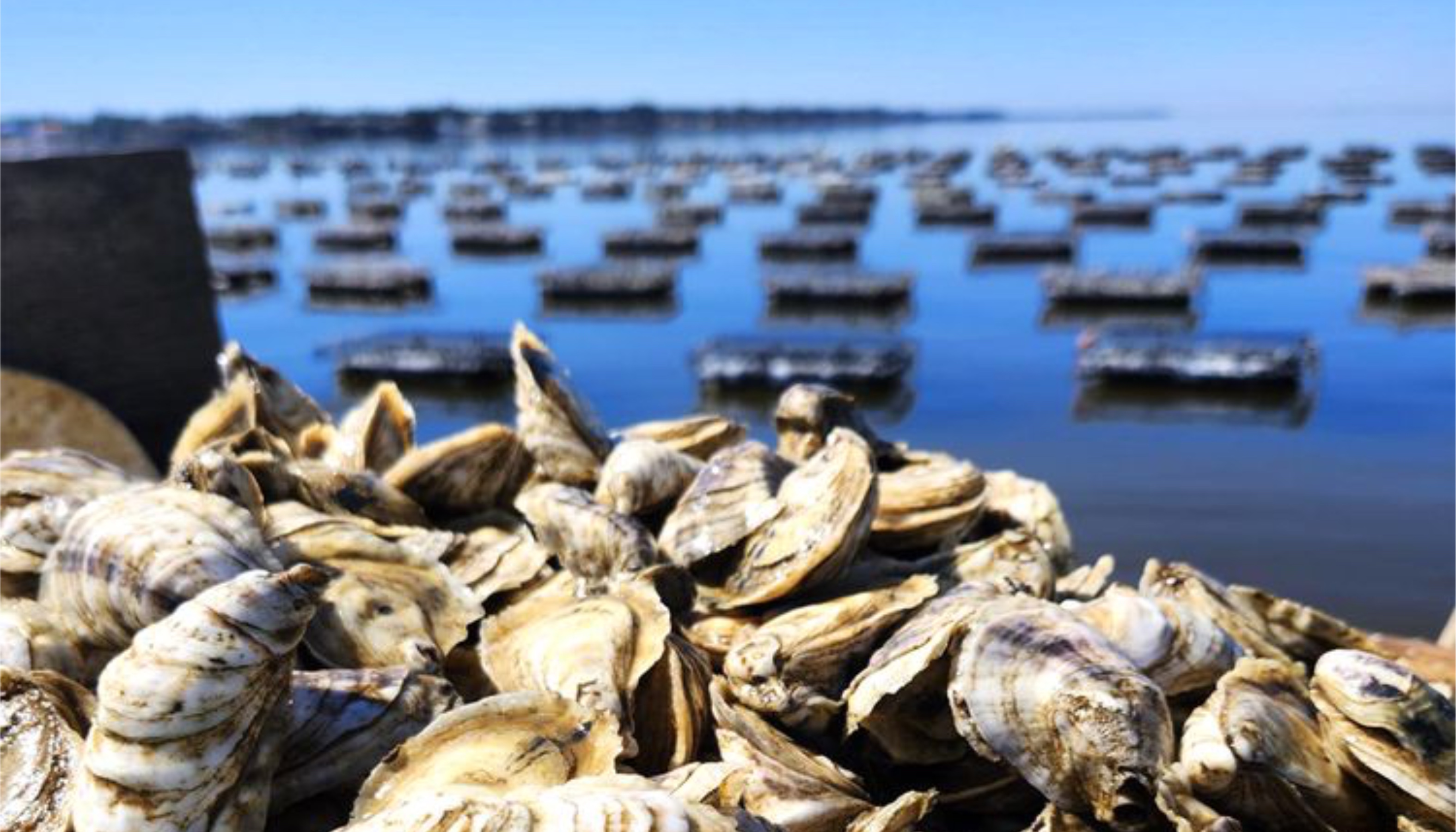
Florida's oyster story is about more than seafood. It is about habitat, water, working waterfronts and families whose livelihoods depend on productive coastal waters. Protecting those resources requires sound science and practical decisions—not a choice between conservation and people.
FWC's consideration of changes to wild-oyster harvesting in Dixie, Levy and Citrus counties brings that responsibility into focus. But understanding what comes next also requires looking at Florida's experience with declining fisheries, reef restoration and oyster farming.
What Apalachicola's Decline Teaches Us
In its 2018 report Shell Game, the Tampa Bay Times documented the struggles of Apalachicola's oyster industry through the Ward family, whose connection to the business stretched across four generations. The reporting described depleted harvests, lost work and a younger generation experimenting with aquaculture to keep a family business going.
The story also examined interacting pressures: changing water conditions, predators, storms, harvesting and the loss of shell material needed for new oysters to settle. Interviewees disagreed about responsibility and the effectiveness of government responses.
The lesson is not that one group caused every problem or that one solution could fix everything. It is that managing harvest alone cannot resolve every threat to an oyster fishery. Recovery also depends on the conditions that allow oysters to survive and reproduce.
Restoration Must Deliver More Than Spending
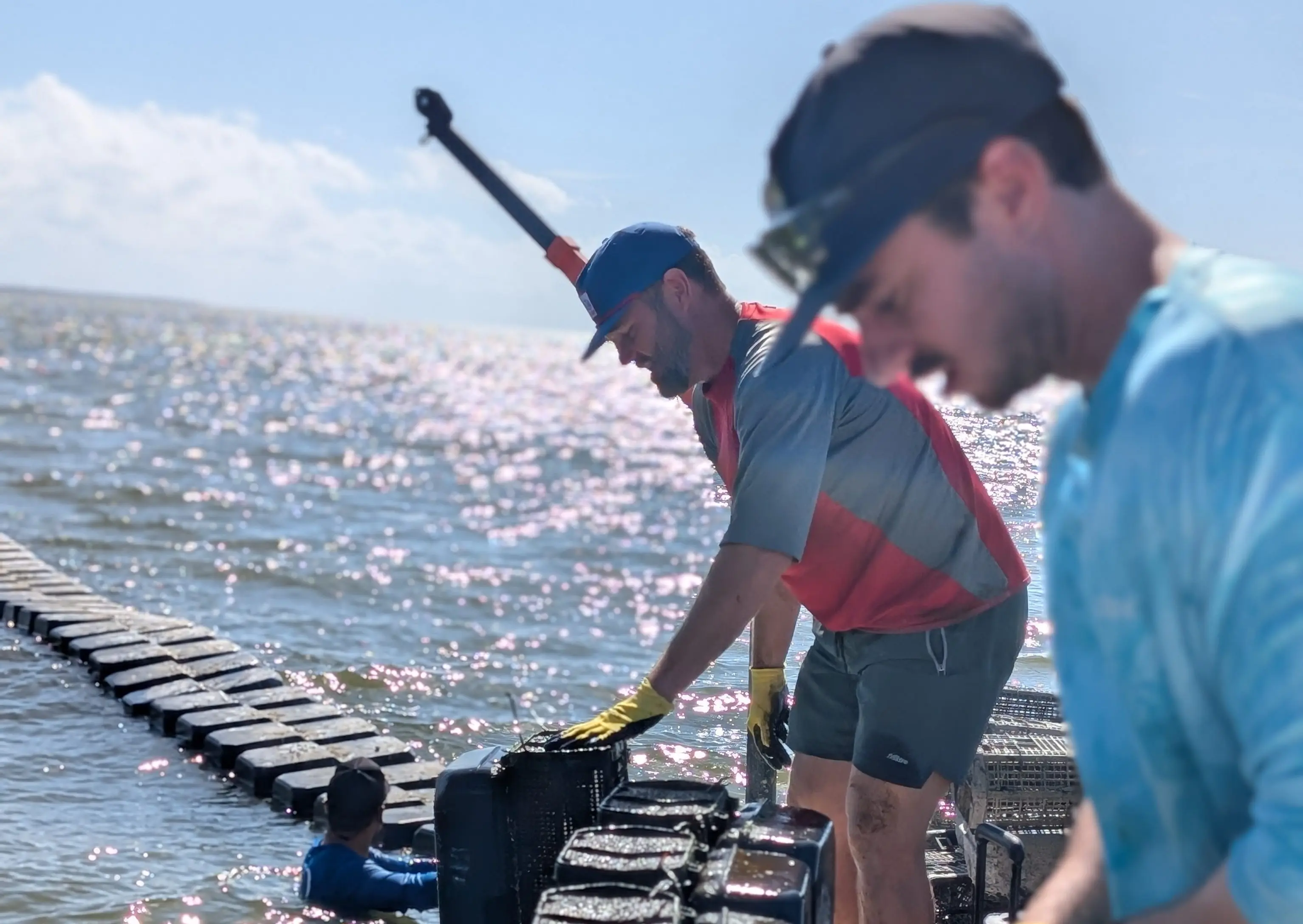
The Times reported that restoration projects provided paid work for displaced harvesters while placing material intended to rebuild oyster habitat. Helping families through a fishery collapse is a legitimate public benefit. Whether the work restored productive reefs is a separate question.
Both outcomes deserve measurement. How many oysters settled and survived? Did the material remain suitable? Did reefs become self-sustaining? What did the improvement cost?
Those questions should guide restoration spending without dismissing either the workers involved or the scientists evaluating the results. Dollars spent and acres treated describe effort; lasting habitat improvement demonstrates success.
Mosquito Lagoon Offers Reasons for Hope
A January 2026 FOX 35 report described oysters growing on restoration rings in Mosquito Lagoon, part of the Indian River Lagoon system. University of Central Florida researchers have been developing and testing non-plastic restoration materials, including cement-and-jute structures that provide surfaces for young oysters to attach.
That is encouraging, but precision matters. Oyster settlement on a structure is not the same as recovery across an entire lagoon. Researchers must also track survival, habitat development and threats such as invasive organisms.
Likewise, clearer water observed by a local fisherman is welcome, but it does not establish that a particular restoration project caused the improvement. Promising results deserve attention without being inflated into conclusions the evidence cannot support.
Oyster Farming Can Support Working Waterfronts
Reporting on Everglades Oysters offers another part of the picture: entrepreneurs working to connect Florida oyster growers with South Florida restaurants, develop production and recover discarded shells.
Responsible aquaculture can create business opportunities and help sustain local seafood supply. It should not be dismissed simply because it differs from traditional harvesting.
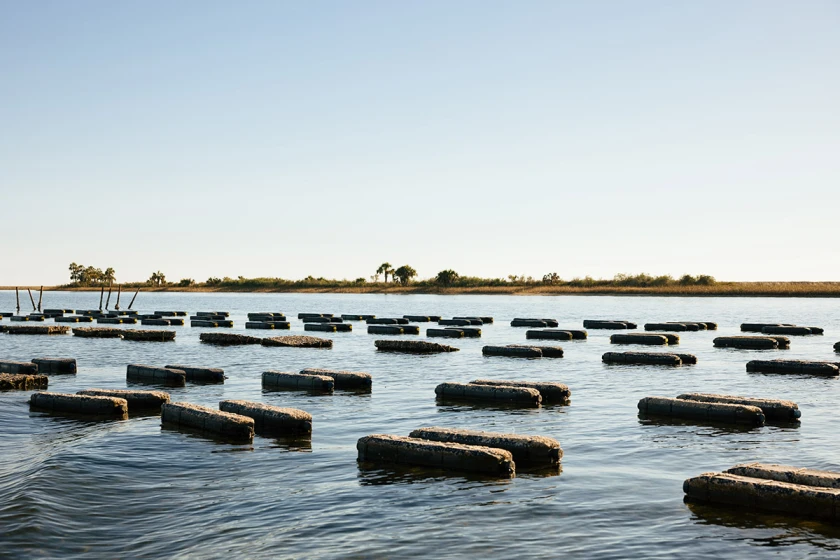
But farming is not an effortless substitute for a wild fishery. Equipment, seed, labor, transportation and suitable leases require investment. Storms and changing water conditions create risks, while farm placement must account for navigation, public access and other livelihoods.
Commercial production and wild-reef restoration can complement each other. They are not interchangeable accomplishments.
Put Discarded Shells Back to Work
Shell recycling offers a practical connection between restaurants and conservation. Properly prepared shells can provide material for approved restoration projects instead of being discarded.
For organizations such as The Pick Up Project, that creates a potential partnership opportunity. Collection, storage, preparation and placement must follow the requirements of qualified restoration partners. It is not permission to dump restaurant shells into local waters.
The goal should be a dependable program with useful material, manageable costs and documented results.
Make Management Work for the Resource and the Community
FWC's Big Bend proposals include possible harvest limits, reporting requirements, commercial endorsements and seasonal changes. Each deserves examination of its biological rationale, expected benefits and effects on the people who would comply.
Harvesters' experience matters. Scientific monitoring matters. Neither should be used to silence the other.
Florida's oyster future needs healthy reefs, responsible harvesting, viable businesses and accountable restoration. That is the conversation worth having—and the work worth doing.
Sources
Tampa Bay Times — Shell Game, April 11, 2018
UCF Coastal and Estuarine Ecology Lab — Conservation and Research
FOX 35 — Oyster Reefs Are Growing Again in the Indian River Lagoon, January 2, 2026
Miami New Times — Can Miami Become the South's Next Great Oyster Capital?, April 13, 2026; originally published November 2025.
FWC — Big Bend Oyster-Management Proposals, October 21, 2026