
Conservation
New Florida Research Offers Hope for Earlier Detection of Harmful Algae
Pick Up Project · October 20, 2026
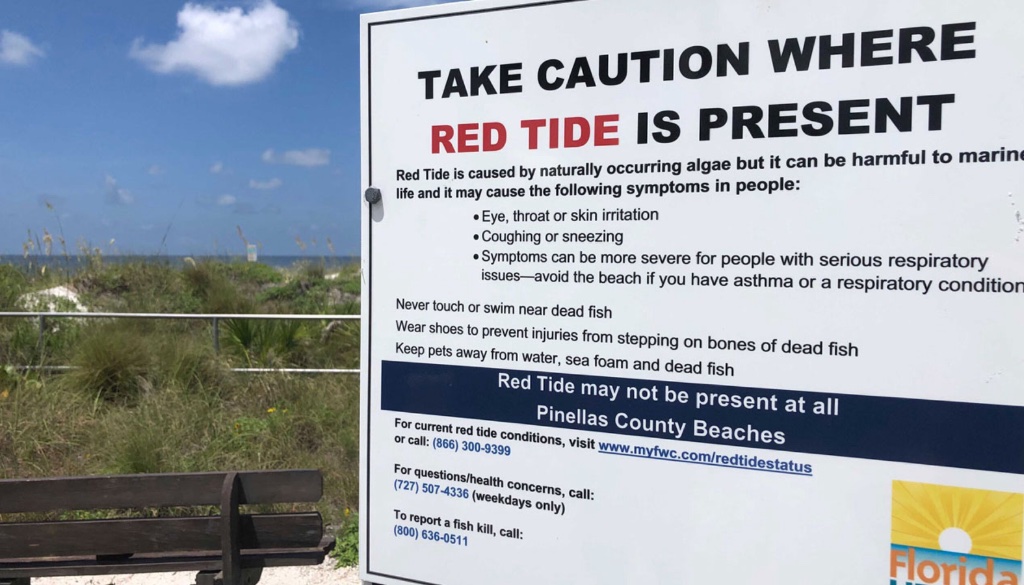
Florida's waterways are among the state's most valuable natural resources, supporting marine life, recreational fishing, tourism, and countless businesses and communities. Yet harmful algal blooms remain a persistent challenge, sometimes causing significant environmental and economic damage before their full extent becomes apparent.
Red tide is nothing new to Florida. Historical accounts trace the phenomenon back to the era of Spanish exploration in the 1500s, with descriptions of periodic fish kills and irritating fumes associated with what we now recognize as harmful algal blooms. While the phenomenon has existed for centuries, our ability to understand and monitor it continues to evolve.
New research from the University of South Florida and Florida Atlantic University offers a promising advancement in how scientists identify potentially harmful algae. Published October 14, 2026, in the peer-reviewed journal PLOS Water, the study demonstrates how DNA sequencing technology could improve the monitoring of Florida's coastal ecosystems.
Researchers collected water samples from 20 locations throughout the Indian River Lagoon, a 156-mile estuary along Florida's Atlantic coast. Using a portable DNA sequencing instrument, they identified 11 species associated with harmful algal blooms, including organisms responsible for red and brown tides. Some were detected at very low concentrations, demonstrating the technology's potential to identify harmful species before their presence becomes visually obvious.
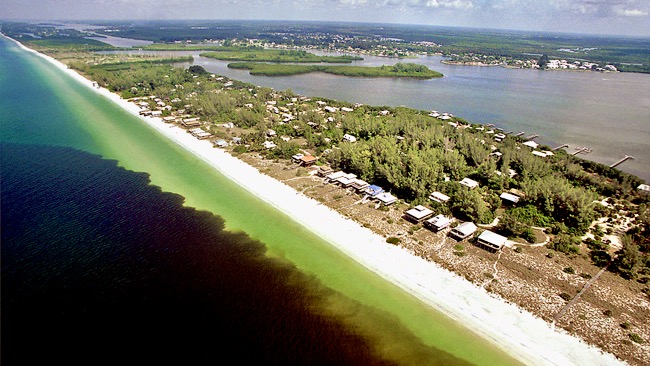
Perhaps equally important, researchers discovered that several potentially harmful species frequently appeared together. This suggests that environmental conditions such as temperature, salinity, and nutrient availability may influence multiple species simultaneously. Understanding these relationships could eventually help scientists recognize conditions favorable to bloom development.
The implications extend well beyond scientific research. Harmful algal blooms can threaten fish and wildlife, disrupt recreational activities, and impose substantial financial burdens on coastal communities. Businesses dependent on tourism, boating, fishing, and waterfront recreation are particularly vulnerable when water quality deteriorates.
Earlier identification could provide environmental agencies with additional time to investigate changing conditions, increase monitoring, and communicate potential concerns. However, detecting the DNA of a harmful species does not necessarily mean that a toxic bloom is occurring or will develop. The technology has not yet been demonstrated to reliably predict when a bloom will occur, how severe it will become, or whether toxins will reach dangerous concentrations.
Those distinctions matter. Promising scientific developments should be evaluated through continued research, independent verification, and practical testing before substantial public resources are committed to widespread implementation.
For The Pick Up Project, the research reinforces an important principle of responsible environmental stewardship: understanding a problem is essential to developing an effective solution. Cleaning our shorelines, reducing litter, and preventing pollution remain worthwhile responsibilities, but protecting water quality also requires reliable scientific information about what is happening beneath the surface.
Florida's environmental challenges deserve solutions grounded in evidence, practical results, and consideration for the people who depend on these natural resources. Scientific innovation, responsible government, private-sector participation, and community involvement each have a role to play.
The ability to identify harmful algae earlier could become another valuable tool in protecting Florida's waterways. Whether that promise translates into better outcomes will depend on continued research, reliable monitoring, and sound decisions.
Stewardship, conservation, and people must remain at the center of those decisions.
Research source: Gibbons et al. (2026), Near real-time long-read eDNA sequencing reveals harmful algal bloom dynamics in the Indian River Lagoon, PLOS Water. https://doi.org/10.1371/journal.pwat.0000557
Photo Credit: WFTS (Main image for article)